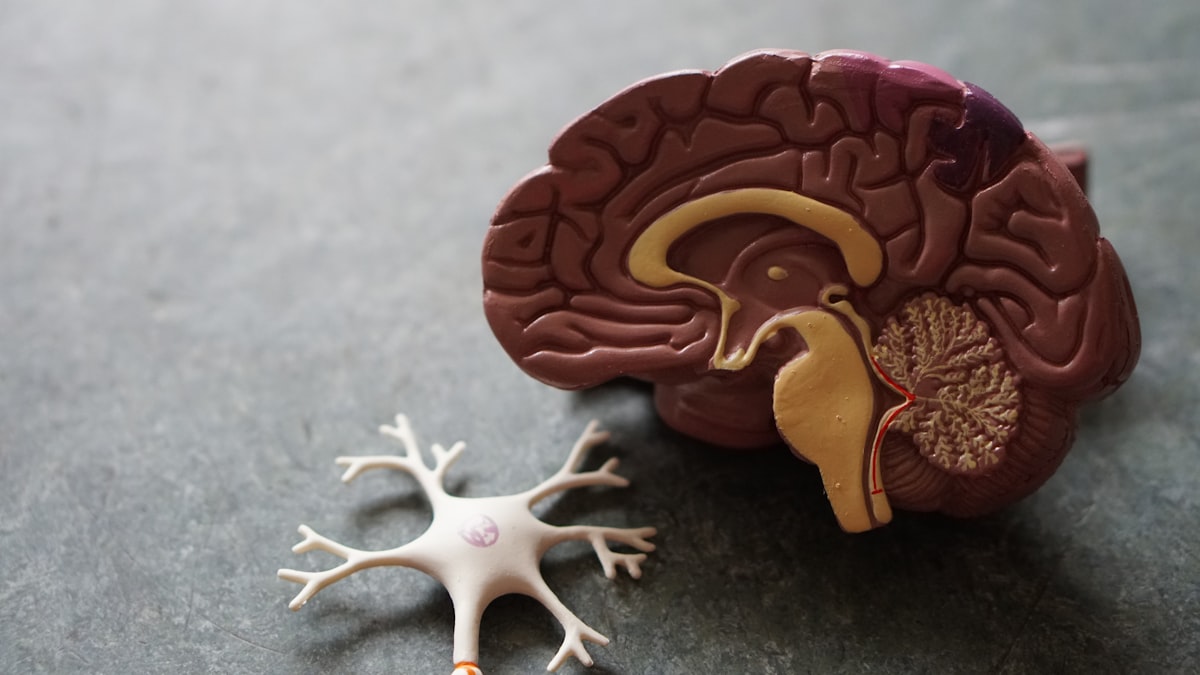
What is an Organoid?
Organoids are miniature, simplified versions of organs produced in vitro from stem cells or progenitor cells. Through self-organization, they develop complex 3D structures that mimic the cellular composition, architecture, and some functions of real organs. As the foundational tier of the Patient Analog framework, organoids provide the biological substrate upon which all higher-level models are built.
Brain Organoids
Cerebral organoids model early brain development, neurodegeneration, and CNS drug responses with organized neural layers.
Intestinal Organoids
Gut organoids with crypt-villus structures for studying absorption, barrier function, and intestinal diseases.
Liver Organoids
Hepatic organoids for drug metabolism studies, toxicity screening, and liver disease modeling.
Tumor Organoids
Patient-derived cancer organoids for personalized oncology and drug sensitivity testing.
The Foundation
Organoids represent the first tier because they are the most fundamental biological unit that captures organ-level complexity. Unlike simple 2D cell cultures, organoids self-organize into structures with multiple cell types arranged in physiologically relevant patterns. This emergent complexity makes them the essential building block for higher-tier models in the framework.